The mother. The daughter. The magic of ballet.
Rushdiyah Narker reviews ‘Elysium’ at Baxter Theatre
Share this piece
Pass the story on to your people.
Artistic Direction: Debbie Turner
Choreography: George Balanchine, Nacho Duato, Kenneth Tindall and Michelle Reid
Starring: Cape Ballet Africa
Venue: Pam Golding Theatre at The Baxter
Genre: Ballet
Performance Dates: 3 October 2026 – 10 October 2026
I took my daughters to see Swan Lake when they were eight and six. They were so excited. They dressed up, danced in the foyer, and choreographed their own little ballet before the performance began. Afterwards, one of them enrolled in ballet at Josephs Stone Auditorium, while the other became interested in drama at school and developed a love for the production side of things. Exposing them to this kind of storytelling and seeing how it sparked their creativity made being called 'sturvy' (uppity) back then so worthwhile
Last night, we had a mother-daughter date to see ELYSIUM.
Pam Golding Theatre at The Baxter was buzzing with excitement as we found our seats. Then, the music started playing, signalling that the performance was about to start. A hush settled into the room, everyone waiting with anticipation.
The thick red velvet curtain lifted, and the dancers emerged.
The ballet began.
ELYSIUM brings together four ballets by celebrated choreographers George Balanchine, Nacho Duato, Kenneth Tindall and Michelle Reid. Through contrasting choreography, music and artistic styles, it explores love, resilience, transformation and joy.
We knew the production had four distinct ballets, but I wasn’t prepared for how gloriously diverse they were.
Opening the programme was Balanchine’s Allegro Brillante, a joyous celebration of expansive romanticism, set to Tchaikovsky’s soaring Piano Concerto No. 3.
Originally staged for Cape Ballet Africa (CBA) by Diana White of the George Balanchine Trust, the piece embodies Balanchine's claim that it “contains everything I knew about classical ballet”.
The performance evoked the classical ballet I grew up watching on television.
The men wore grey leggings and dark green shirts, and the women wore wide dark green skirts with matching corset-style bodices.
Paige McElliot and Gabriel Fernandes da Silva carried us through, crossing the stage with perfectly executed lifts and leaps while the other dancers moved around them, performing their own lifts in unison and dancing in a domino effect. The lighting was bright across the whole stage, and the dancers’ lithe bodies and precise movements created long, uncompromising lines. The music dictated when the movements sped up and slowed down.
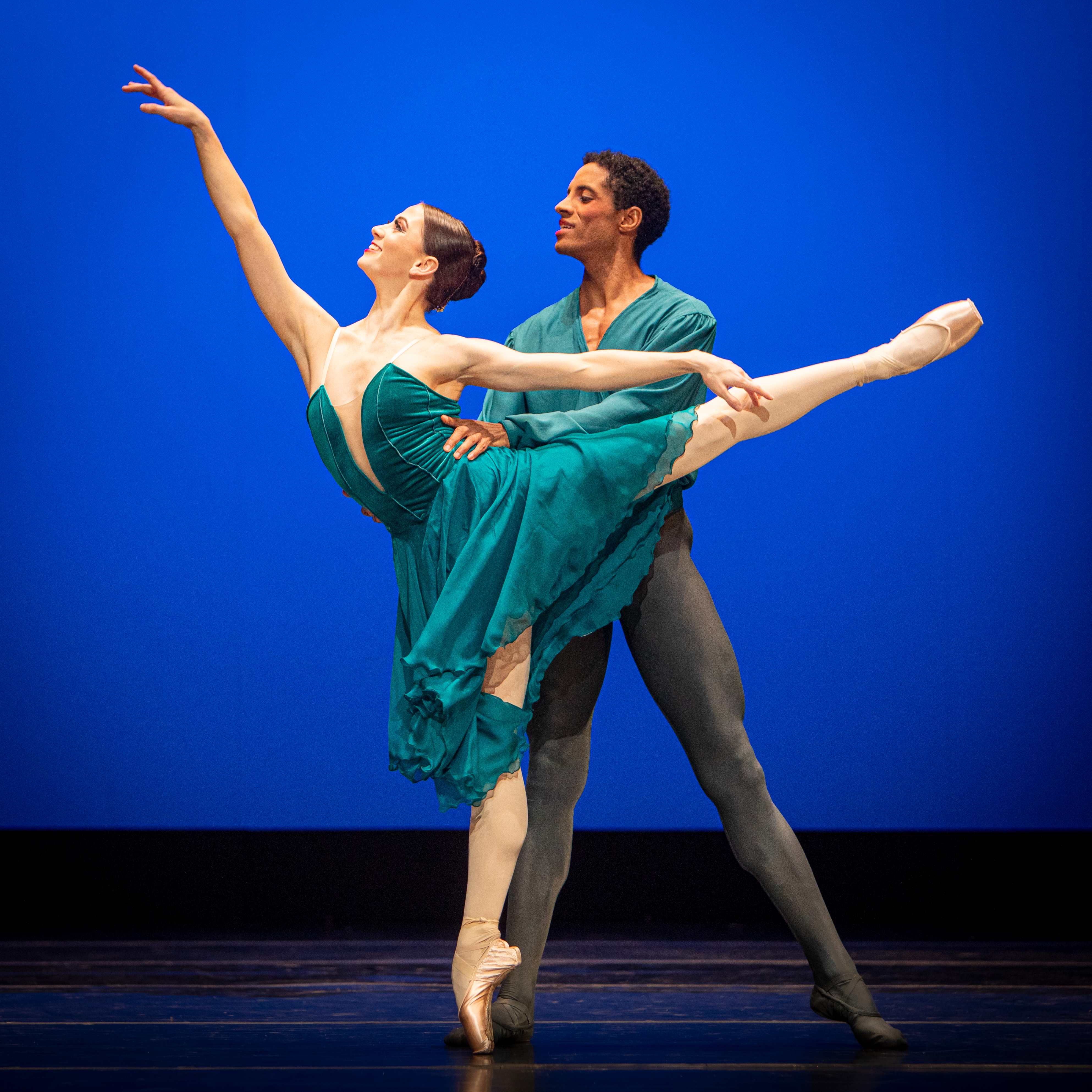
(Paige McElligott and Gabriel Fernandes da Silva in Allegro Brillante by George Balanchine. Photo credit Helena Fagan)
From that classical grandeur, we moved into something more intimate with Tindall’s We Met At The Moon, Briefly – a ballet shaped by the elements of its environment and by Cape Town itself.
The choreography remains classical, with dancers performing en pointe (on the tips of their toes), yet it continually reinvents itself. Initially joyous, capturing the delight of meeting someone new, the ballet gradually gives way to longing as the end of their time together approaches.
Although the performance featured almost the entire company, the stage never felt overcrowded or overwhelming. Instead, it showcased two dancers, with the group joining in various sequences and adding to the storytelling through contrasting and complementary movements.
The lighting evoked the moon’s surface, shifting between light and darkness as shadows stretched across the walls and floor. The dancers' short grey and blue leotards complemented this lunar atmosphere, their muted colours reinforcing the sense of an otherworldly landscape.
Leane Theunissen and Gabriel Ravenscroft made me believe every emotion they portrayed, from the joy of finding each other to the pain of saying goodbye. Their emotions weren’t just evident in their physical movements, but in their facial expressions too, holding my attention throughout. I would even go as far as to describe their emotions as “palpable”.
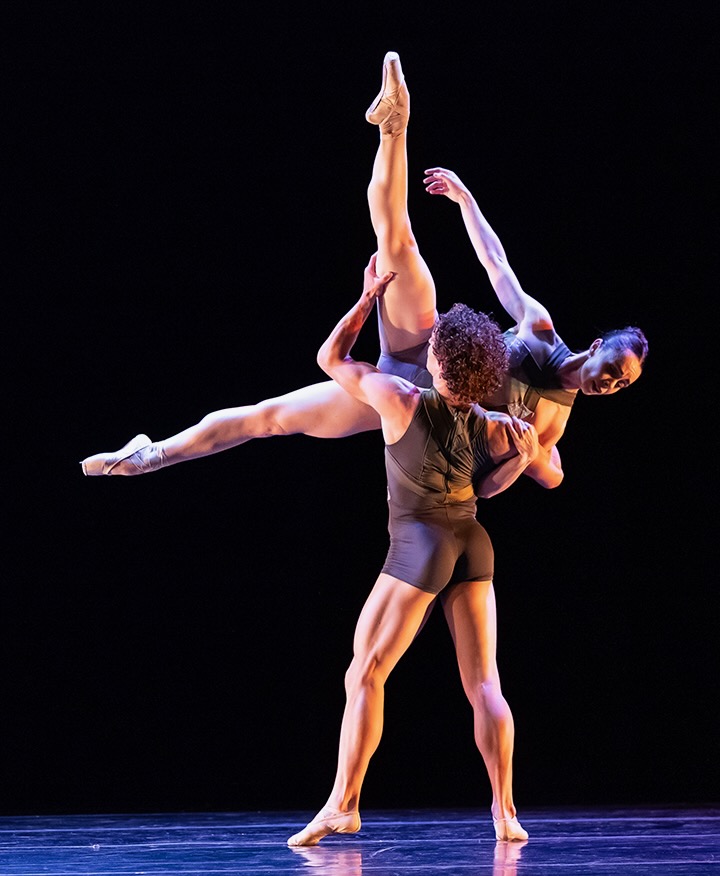
(Leanè Theunissen and Gabriel Ravenscroft in 'We Met At The Moon, Briefly'. Photo credit Joan Ward.)
Next came Duato’s REMANSO, performed to Granados’ Poetic Waltzes, and it was a completely different ballet from We Met At The Moon, Briefly.
The tone shifted from the previous piece’s yearning to light-hearted and funny, drawing snickers and giggles from the audience.
Although the music had a classical feel, the choreography was more contemporary, with the dancers creating sharp lines and striking shapes with their bodies.
The lifts were particularly impressive.
One particularly memorable lift involved three dancers leaning against one another while balancing in the air, creating intricate shapes with their bodies.
Each dancer also had a solo to show off their skill.
Jan Kotze began with what felt like an artistic interpretation of the music, moving confidently across the stage. Nicolas Laubscher traversed the white rectangular wall at the centre of the stage in the most elegant and acrobatic of ways. But Joshua Williams had me transfixed, both by how accurately he hit the musical beats and by the sharp shapes he created with his body, here and in the other pieces he danced in.
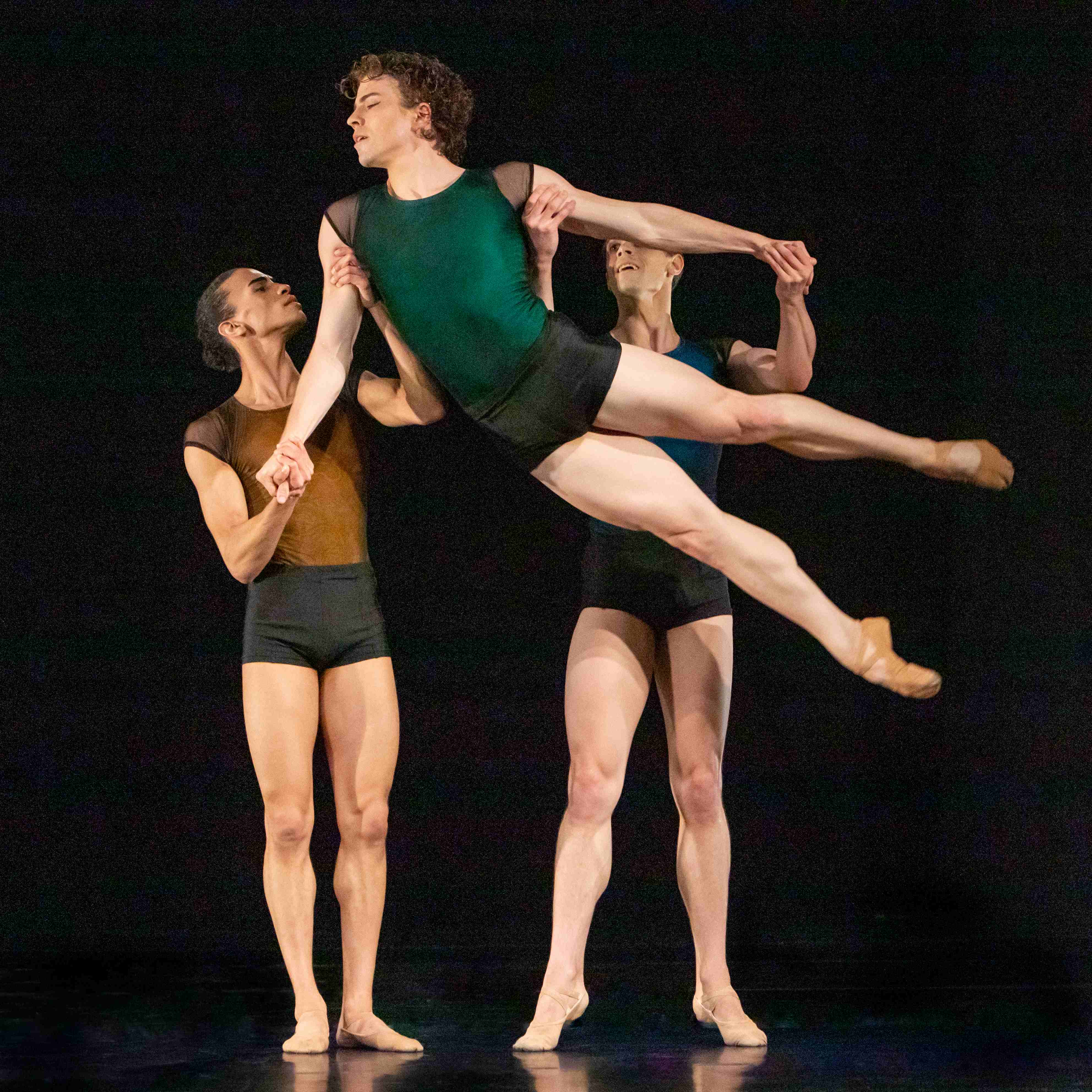
(Joshua Williams, Jan Kotzé and Nicolas Laubscher in 'REMANSO' by Nacho Duato. Photo credit Helena Fagan.)
Closing the night was Reid’s Duende.
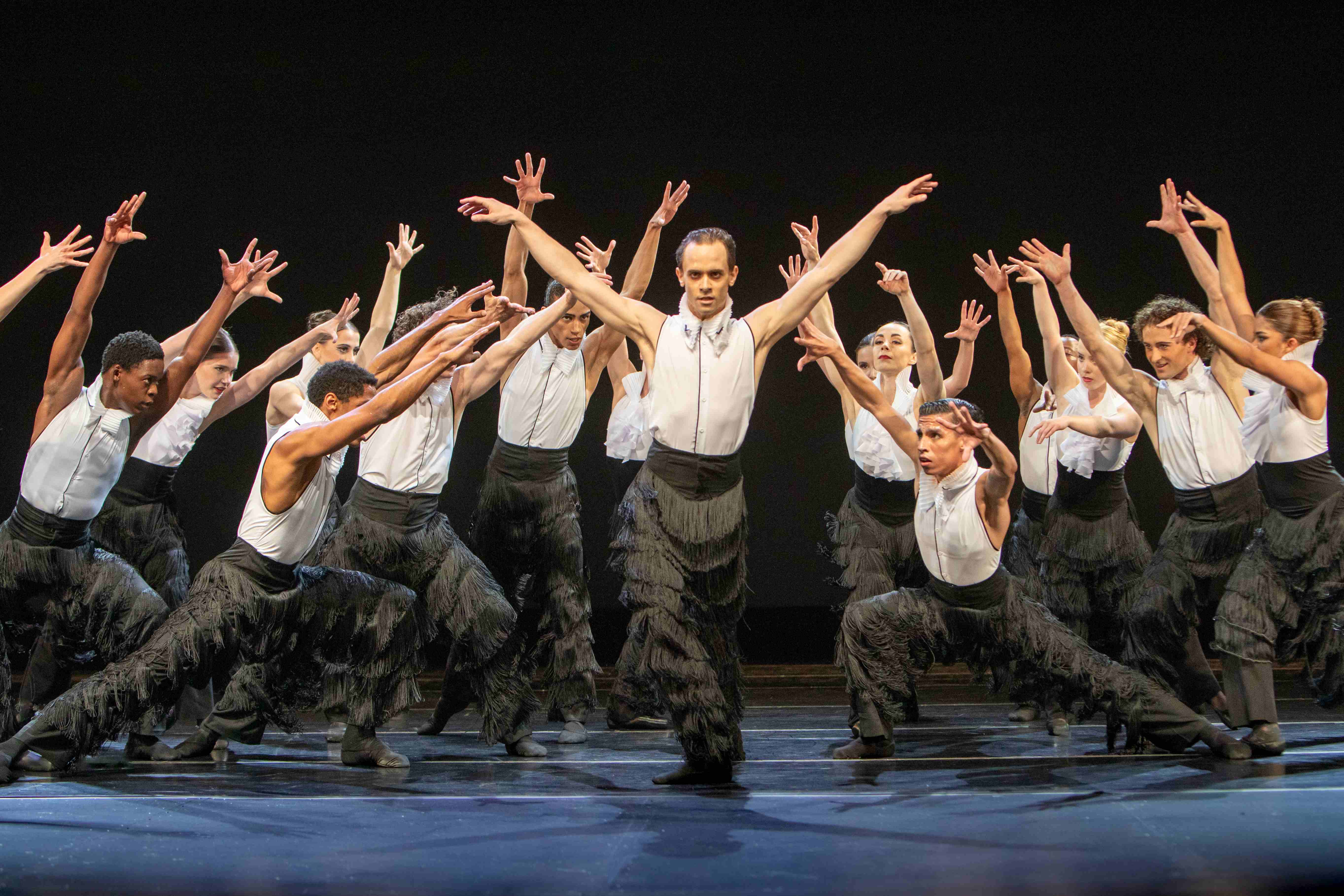
Set to the music of guitarist Estas Tonne, the tone in the theatre changed once again, as the energy was high from the start. The music had a distinctly Spanish sound, with rapid guitar melodies adding a sensuality that the dancers echoed through their movements. They wore black pants with layers of fringe and fitted white shirts, and the fringe moved fast and slow, flowing rhythmically or swishing to a stop with their sharp, sensual movements.
The lights moved from bright across the entire stage to orange and yellow tones, giving the impression of dancing at sunset.
Reid describes Duende as a "magnetic, inexplicable charm," and that is exactly what the dancers had. I found myself wanting to clap along to the beat, drawn in by their smiles and obvious joy.
Leane Theunissen and Joshua Williams took centre stage at times, with the other dancers moving in unison around them.
The choreography included movements I wouldn’t have associated with ballet, but nothing felt out of place or forced. It fit the music, the energy and the tone, and it felt fresh and hopeful, a perfect piece to end the night with.
I sensed some nervousness among the dancers during the opening number, but they seemed to relax as the four pieces unfolded. That initial tension also suited the first ballet, where every movement demanded precision and perfection seemed non-negotiable. I can only imagine the pressure of performing at that level, especially on opening night.
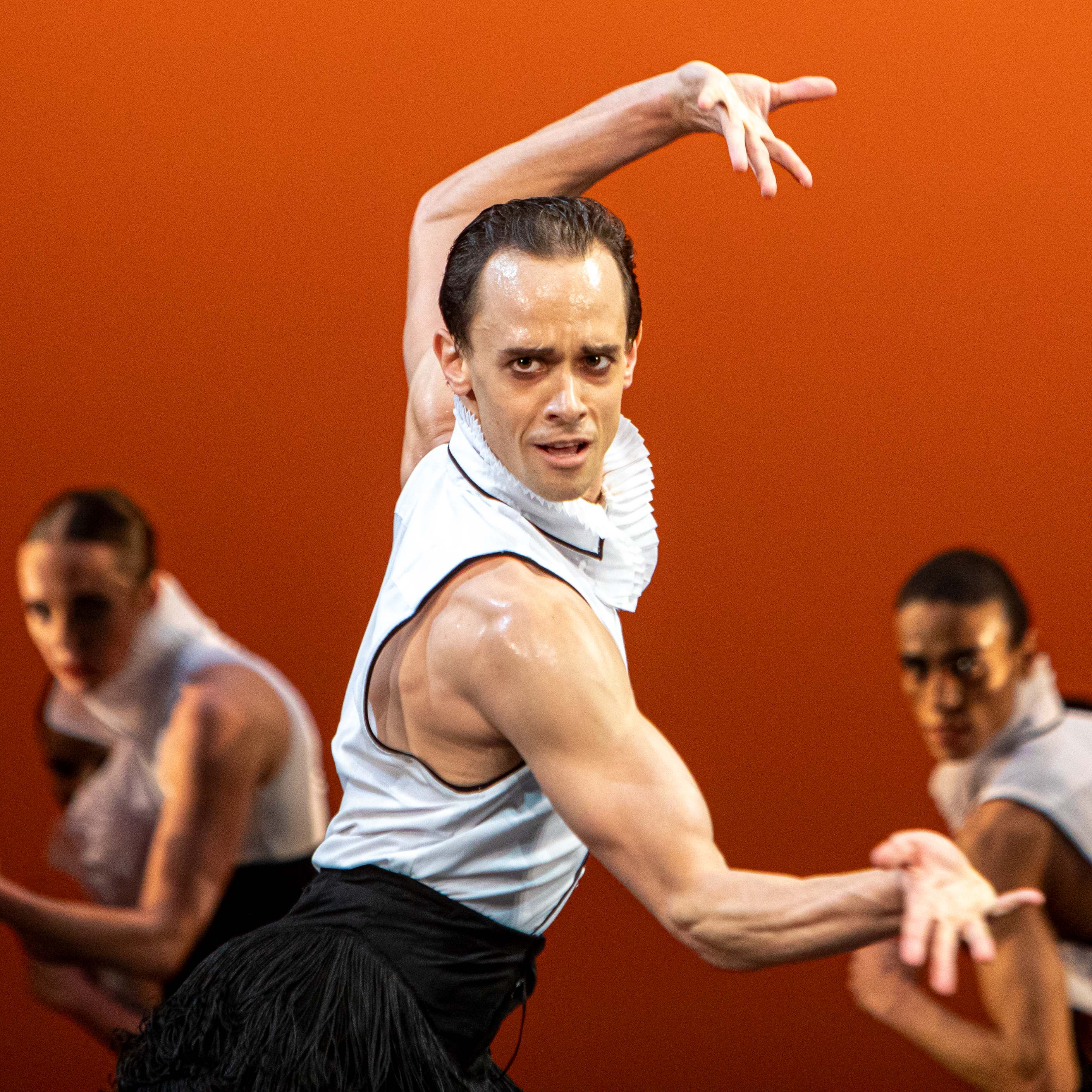
(Nicolas Laubscher in 'Duende' by Michelle Reid. Photo credit Helena Fagan.)
Taken together, the four pieces show how many different things ballet can say: romance, longing, humour and celebration.
The 120 minutes include a 30-minute interval, plus short breaks between each piece that act as a kind of palate cleanser.
After each performance, the audience applauded and whooped with appreciation, delighted by what they had witnessed.
So, who should watch ELYSIUM?
Anyone who has always wanted to experience ballet but doesn’t know where to start!
It is just as much for someone who loves ballet and wants to experience its different styles in a shorter amount of time. I think it is for everyone.
There is so much beauty, joy, and talent on that stage, brought together by everyone involved, and I thoroughly enjoyed every minute.
It was wonderful to experience the ballet with my daughter again, but now she has an understanding of the performances she didn’t have when she was six, and that makes it so much more enjoyable for both of us.
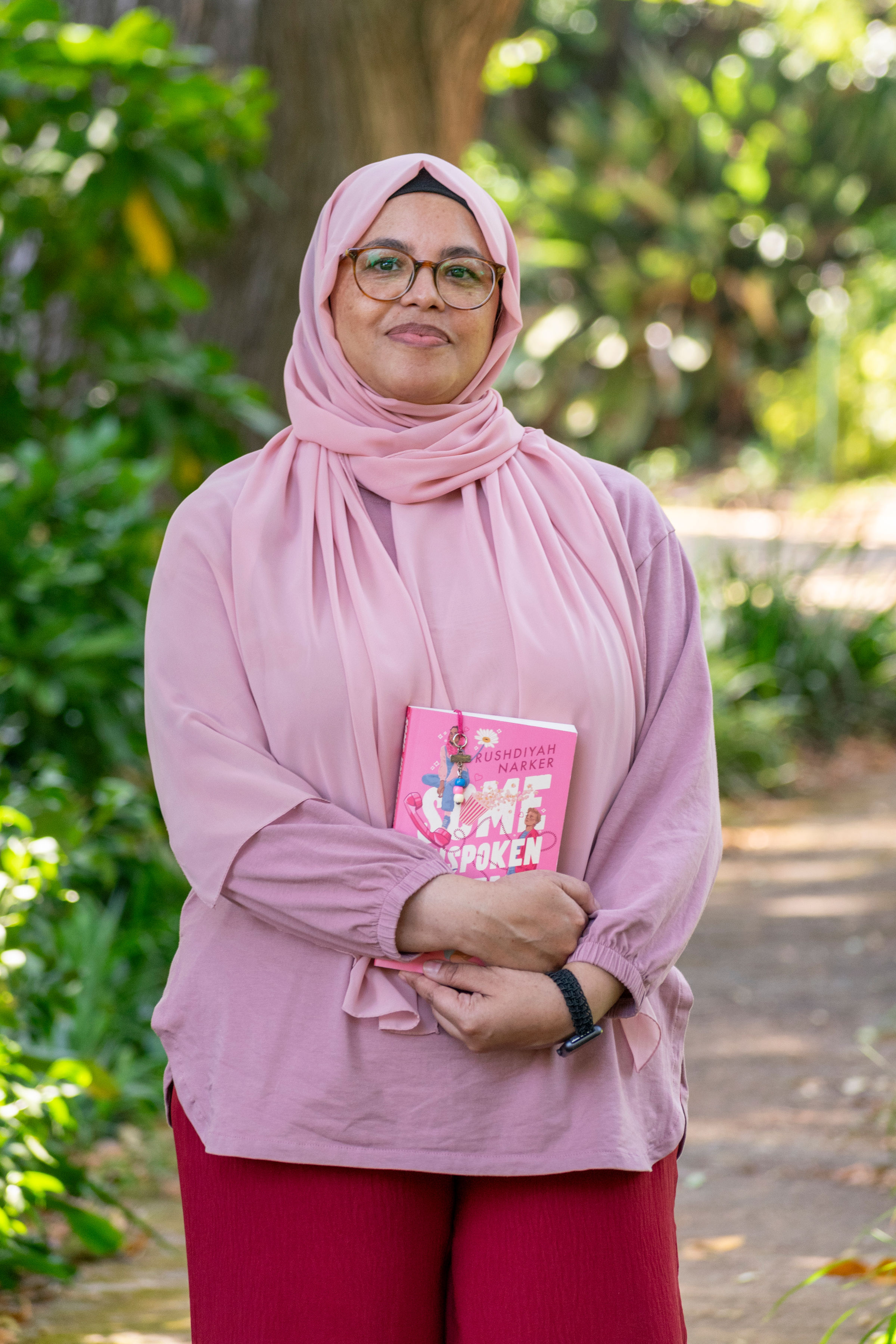
About the author
Rushdiyah Narker
Rushdiyah Narker has moved from making up stories in her head to writing them down. She uses the skills she learnt while getting her Masters in Social Anthropology to write stories about the culture she grew up in. 'Some Unspoken Thing' is her debut young adult novel enjoyed by kids 13 to 60 years of age. For funsies, she reads a book a day and loves to go to the theatre, galleries, and movies to experience different forms of storytelling.
View all work by Rushdiyah Narker