Laughter, Heart, and the Unexpected Bite of Karamonk
Sumaya Adams reviews 'Karamonk' at Baxter Theatre
Share this piece
Pass the story on to your people.
Script: Tertius Kapp, Ronelda Kamfer, Jemma Kahn, Megan Choritz, Mikayla Brown, Bianca Flanders and Lebogan Mogashoa.
Direction: Jemma Kahn
Starring: Bianca Flanders
Venue: Baxter Theatre
Genre: Cabaret / one-woman show
Performance Dates: 15 July 2026 – 25 July 2026
Karamonk is one of those productions that reminded me why storytelling remains one of the most powerful art forms.
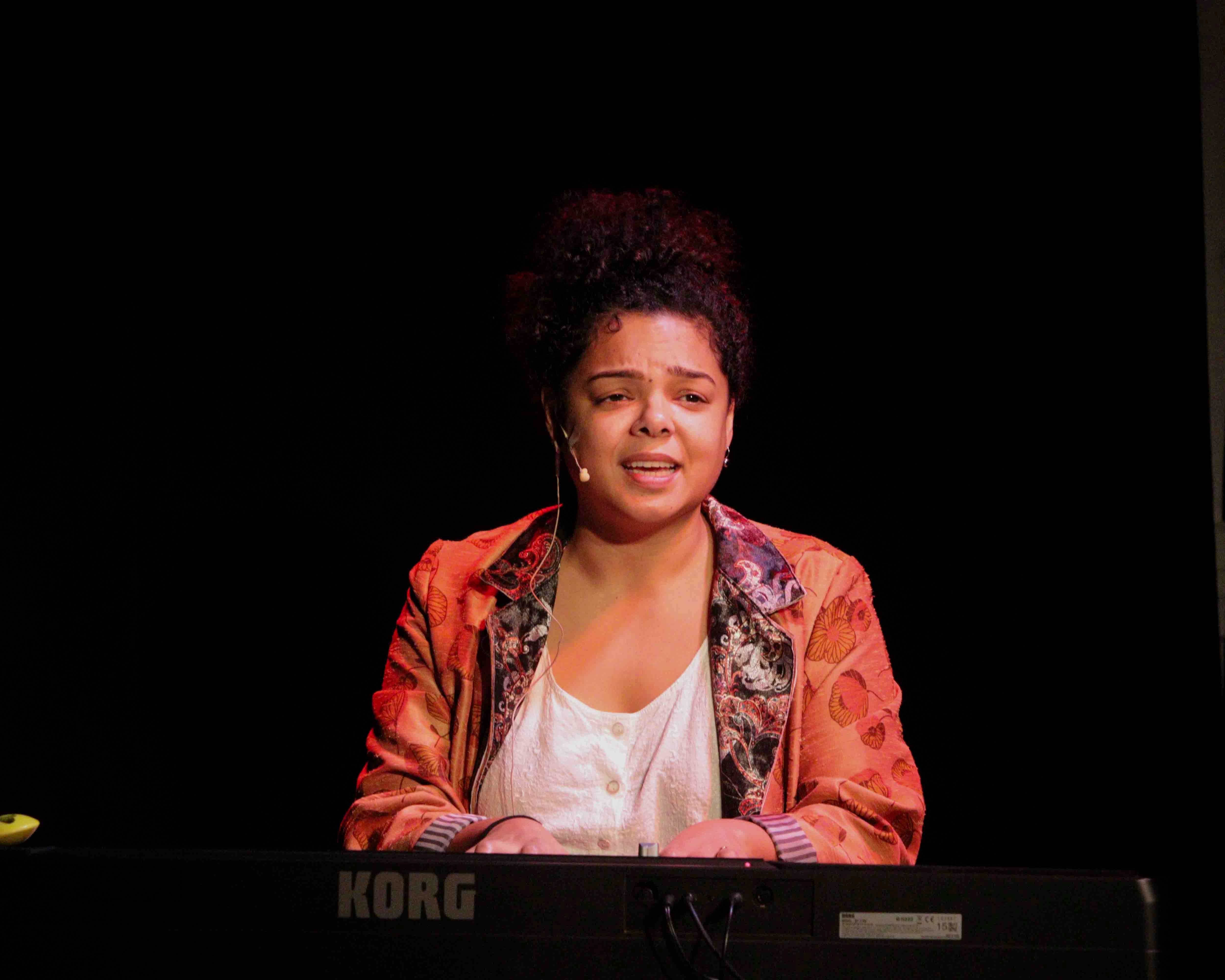
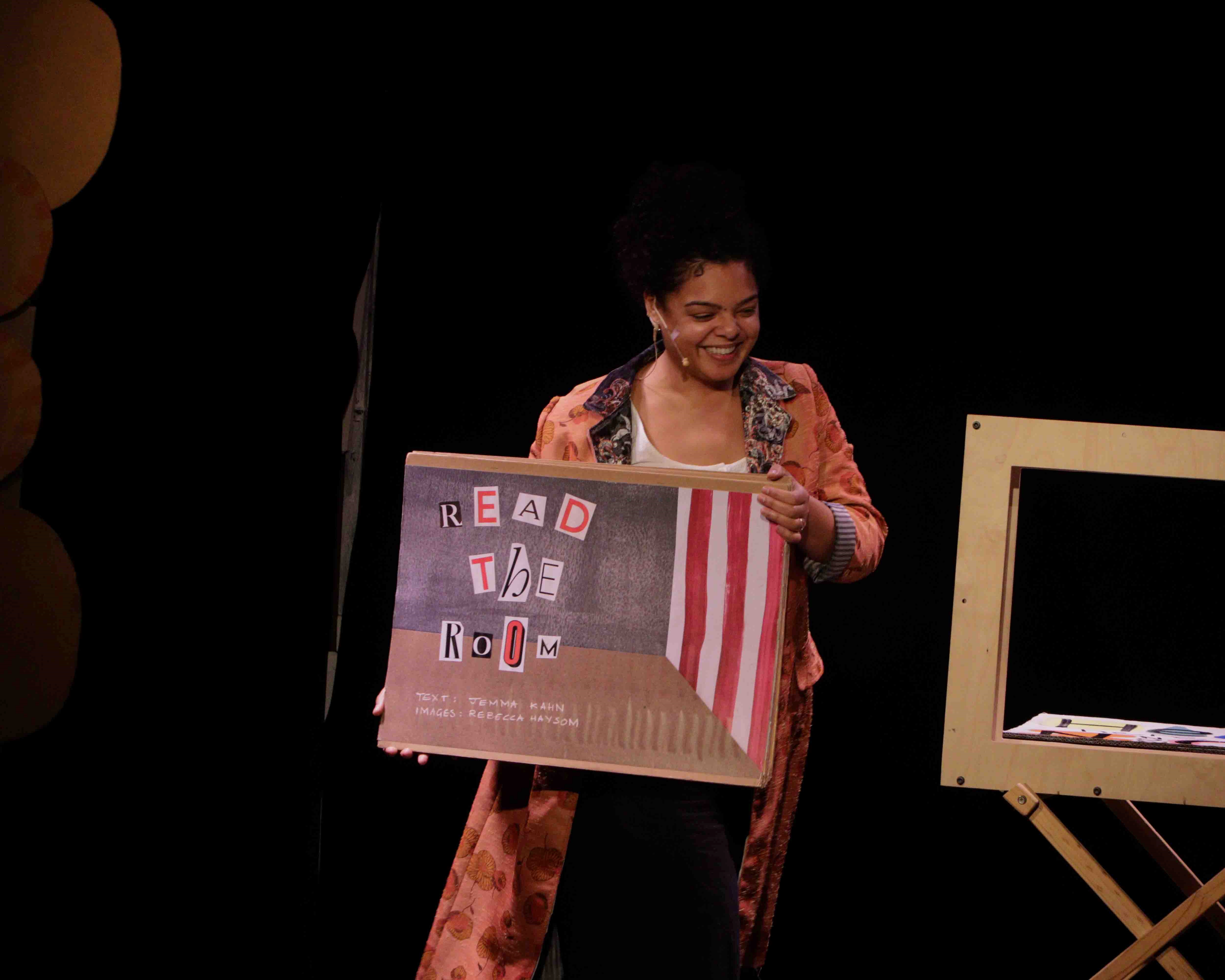
Performed and produced by Bianca Flanders and directed by Jemma Kahn, Karamonk is a captivating one-woman cabaret that blends song, storytelling and kamishibai – a traditional form of Japanese paper theatre. Rather than following a single narrative, the production unfolds as a playful and provocative tapestry of memories, characters and experiences, combining sharp humour, heartfelt moments and visual sparkle to celebrate the richness, resilience and complexity of everyday South African life. This inventive, genre-bending feast of contemporary writing features work by Tertius Kapp, Ronelda Kamfer, Jemma Kahn, Megan Choritz, Mikayla Brown, Bianca Flanders and Lebogang Mogashoa, with illustrations by Kyle Jardine, Imaan Anders, Jemma Kahn and Rebecca Haysom. The creative team also includes stage manager Dian Micheal Harcovecchio, marketer Franci van den Berg and musical director Ramon Alexander.
From the moment the audience settled into their seats at the intimate Masambe Theatre at the Baxter, there was an unmistakable buzz of anticipation. Excited chatter filled the room as people eagerly awaited the performance, creating an atmosphere that felt warm and inviting. Sitting just behind me, three audience members wondered aloud whether they were about to watch a puppet show, with one noting she was deathly afraid of puppets.
I smiled to myself because, in a way, they weren't entirely wrong.
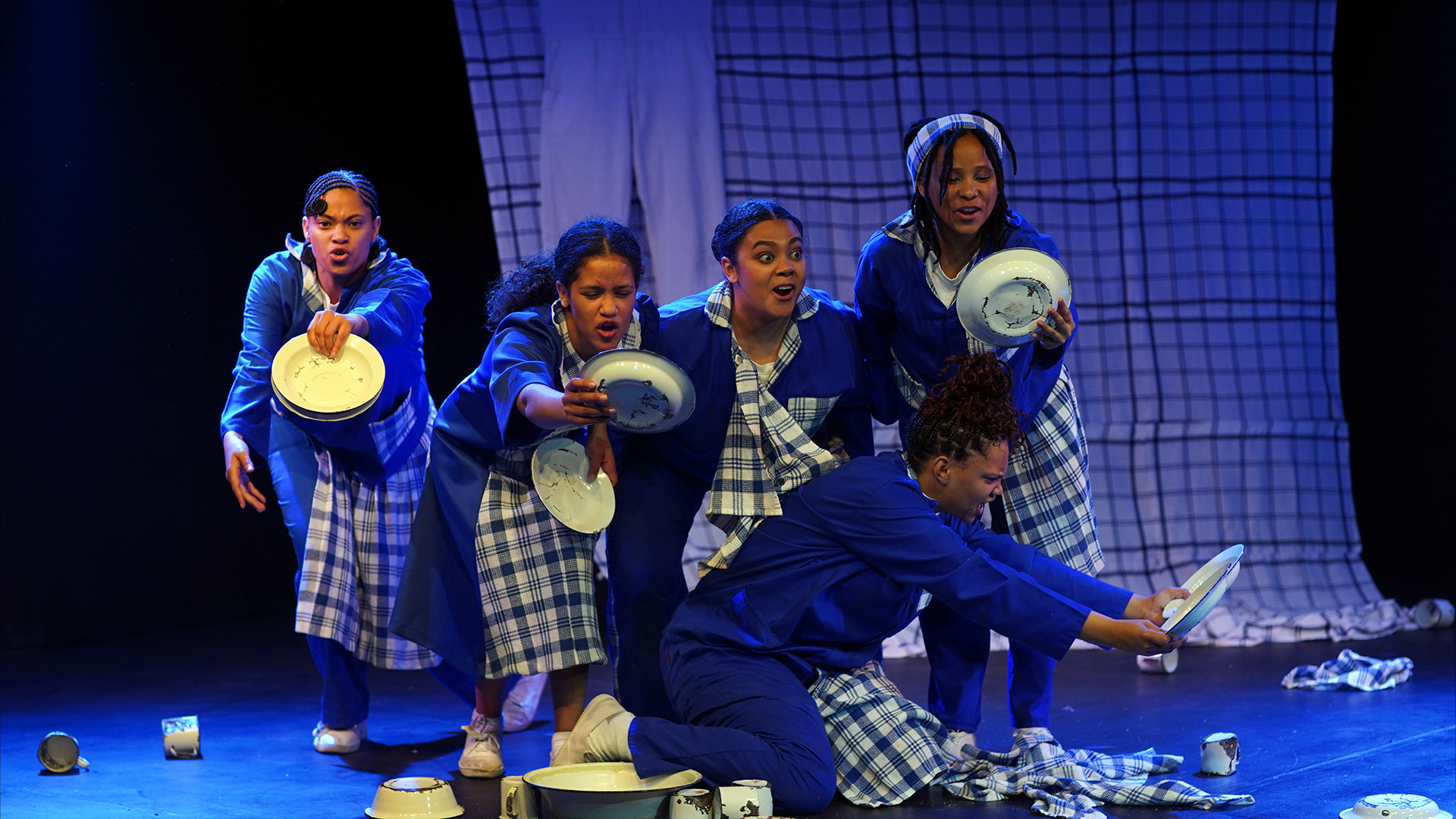
What followed wasn't puppetry in the traditional sense, but a wonderfully imaginative performance where artwork, music, props and storytelling worked together to create a world that felt magical. As the lights dimmed, the theatre transformed into a space where laughter, nostalgia and quiet reflection could exist side by side.
The visual design was simple yet incredibly imaginative. Illustrated boards and framed artwork became the canvas for each story, transforming the stage with remarkable creativity and evoking the image of a television screen – inviting the audience to tune into each story as though we were channel-hopping through different moments of South African life. Combined with perfectly timed sound effects and thoughtfully executed lighting that complemented the intimate venue, every scene felt vivid, immersive and meticulously crafted.
One of the evening's greatest triumphs was Bianca Flanders' astonishing ability to become so many different people over the course of a single performance. Her seamless shifts in accent, posture, expression and personality brought each character to life. There were moments when I genuinely forgot I was watching one performer, so complete was each transformation.
Her talents extended far beyond storytelling.
Throughout the performance, Bianca moved effortlessly between acting, singing and accompanying herself on the piano, with each song becoming a story in its own right. Rather than interrupting the narrative, the music enriched it, adding another emotional layer to an already beautifully textured production.
Equally captivating was Bianca's warmth and natural ability to connect with her audience.
She wasn't simply performing for us; she welcomed us into each story, effortlessly breaking down the invisible barrier between stage and audience. Her interactions felt spontaneous, genuine, and engaging, drawing laughter, smiles, and knowing nods from the crowd. That connection made the afternoon feel wonderfully intimate, as though we were all part of the storytelling.
Her comic timing was exceptional. Whether punctuating a moment with the playful shake of a small percussion instrument or introducing an “emotional support cat” – a delightfully bedraggled stuffed toy that looked as though it needed emotional support itself – Bianca found humour in the smallest moments.
These playful touches didn't feel gimmicky. Instead, they added to the warmth, spontaneity and infectious charm that made her such a joy to watch.
Her remarkable emotional range was equally impressive. One moment she had the audience roaring with laughter, and the next she guided us into stories that invited quiet reflection. Watching her move so effortlessly between comedy and heartbreak without ever losing the audience was extraordinary. It left me with an immense appreciation for the craft of live theatre.
It wasn't simply a performance; it was storytelling of the highest calibre.
One of my favourite stories featured the kind of aunty many South African kids will recognise: the one our mothers warned us not to eat from. As Bianca brought the memory and character to life, regaling us with a delightfully funny song about stale, warmed-up NikNaks, the audience erupted into laughter. It was such a random memory, and yet it felt universally familiar. That's the magic of Karamonk. The cabaret finds humour in the ordinary, turning shared memories and cultural quirks into stories that have an entire theatre laughing.
What I loved most about Karamonk was how unapologetically South African it was.
It didn't feel as though it was trying to explain our cultures or translate them for anyone. It simply invited us to recognise ourselves in the stories. From laugh-out-loud moments and familiar neighbourhood personalities to references to District Six, the production celebrated the people, places and memories that shape our collective identity.
Yet beneath the humour lies something far more profound. References to displaced District Six inhabitants, gender-based violence and the quiet vigilance many women carry reminded the audience that some stories are difficult because they are true. As mentioned before, there were moments where I was laughing alongside the audience, and the next I found myself sitting in thoughtful silence, reflecting on the realities that continue to shape so many lives, including my own. That ability to hold joy and sorrow in the same breath is what gives Karamonk such emotional depth.
As I reflected on the performance, I found myself returning to its title. In many South African households, "karamonk" is the name we give to cardamom pods – a versatile spice that finds its way into everything from fragrant curries and breyani dishes to comforting beverages and delicately spiced desserts. Woven into family recipes and passed down through generations, karamonk has become part of the fabric of our kitchens and our culture, and that made the title feel especially fitting.
Like the spice itself, Karamonk moves effortlessly between humour and heartbreak, nostalgia and social commentary, laughter and quiet reflection.
Food is, of course, a recurring thread throughout the performance, becoming a language of memory, identity and belonging. And, just like unexpectedly biting into a karamonk pod while enjoying your favourite dish and having that intense flavour overwhelm your senses and temporarily eclipse every other flavour, so too, the production catches you off guard – offering moments that are as surprising as they are thought-provoking.
Together, like the fragrant blend of spices in a Sunday morning koesister, these stories create something warm, richly textured and unmistakably South African, leaving a lasting impression, just as the spices themselves.
Long after the applause faded and the audience filtered out into the evening, I found myself replaying moments from the performance. The laughter and funny moments stayed with me, but so did the quieter moments of reflection. To me, that's the mark of a memorable theatre experience. It doesn't end when the lights turn back on; it travels home with you.
As a fitting postscript to the evening, the audience was treated to an impromptu conversation with artist Kyle Jardine, whose artwork forms an integral part of Karamonk's visual language. It was a thoughtful reminder that while Bianca Flanders commands the stage with extraordinary versatility, Karamonk is the product of a collaborative creative vision. Every artistic contribution, from the visual design to the sound and lighting, works in harmony to create a production that is both imaginative and deeply moving.
Karamonk is a celebration of South African storytelling at its finest. Creative, culturally rich, deeply moving and joyfully funny. It honours the stories we inherit, the people we recognise and the emotions that connect us. Rich in humour, heart and humanity, it is a production that deserves to be experienced.

About the author
Sumaya Adams
Sumaya Adams is a Cape Town-based book reviewer, literary contributor, and enthusiastic collector of fictional trauma. She spends an unreasonable amount of time reading – sometimes with six books on the go, at once, because apparently one story at a time is far too sensible. She can demolish eight episodes of her favourite series in one sitting and has a particular appreciation for blood, betrayal, monsters, morally questionable characters, and spectacularly bad decisions. When she's not reading or disappearing down one of her many hobby rabbit holes, she's probably got 90s R&B playing somewhere in the background and is emotionally attached to a book that is most certainly going to ruin her life. And somewhere in all of this chaos is, a novel that she's been writing for the past three years, is on its way, one day, but she will need to stop reading, long enough, to actually finish it. Probably.
View all work by Sumaya Adams