What's Love Really Got to Do With It?
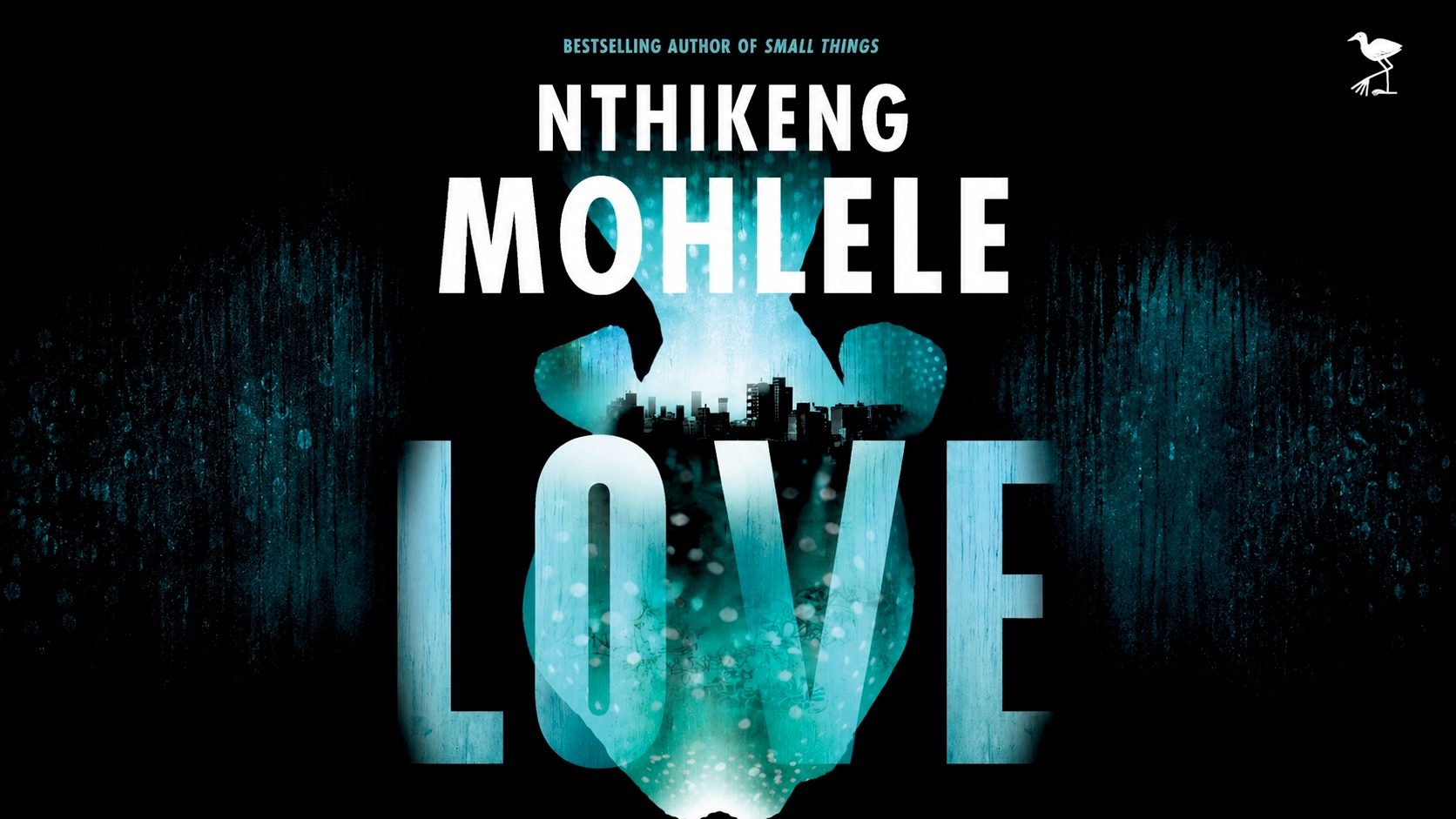
Rushdiyah Narker reviews 'Love' by Nthikeng Mohlele
Share this piece
Pass the story on to your people.
Publisher: Jacana Media
Type: Novel
Date Released: March 2026
Retaill Price: +/- R290.00
Format: Paperback (229 pages)
I originally planned to read Love over the course of a few weeks, but after each time I could steal a moment, I ended up finishing the novel in four days, because I simply couldn't stop thinking about it.
Blending literary fiction, crime, romance, and speculative fiction, Love follows Sebastian Salt, a chef whose life has been shaped by failed relationships, regret, and an enduring search for redemption.
When Sebastian accepts a lucrative position cooking at Signal Hill Prison, he believes the salary will finally allow him to fulfil a promise he made years ago – to build a church. But the prison asks far more of him than preparing meals, and what begins as an opportunity slowly becomes a trap from which he struggles to escape.
As Sebastian reflects on his four marriages, his childhood, and the many ways love has shaped his decisions, the novel asks whether redemption comes through faith, romantic love, or confronting the parts of ourselves we'd rather avoid.
From the very first chapter, I found myself savouring every line, as the contradictions that make up Sebastian Salt’s character immediately drew me in.
Mohlele also has a wonderful habit of mentioning significant events in passing without explanation. This subtlety makes you stop, question whether you've missed something, and flip back a few pages – only to happily reread the prose because every sentence feels carefully crafted. And every chapter left me wanting to know just a little bit more.
One of the strongest themes running throughout the novel is, of course, love, and how our earliest experiences of love shape the people we become.
Through Sebastian's memories and failed marriages, Mohlele explores how abandonment, longing, guilt, and hope continue to influence us long into adulthood. Themes of love, redemption, identity, and forgiveness are woven throughout the narrative, creating a story that is both philosophical and deeply emotional. Sebastian Salt, as a Xhosa male protagonist, pushes against the framework that serious speculative fiction is centred around Western worlds and written by predominantly white males.
By creating a South African story about love that blends literary fiction, crime and speculative elements, Mohlele brings a rare level of tenderness and emotional complexity to the page. Although romance is present, it is not the novel’s central concern. Instead, the story focuses more deeply on Sebastian’s relationship with love itself: how he understands it, pursues it, loses it and is ultimately shaped by it. This feels especially significant in a South African literary context, where intimate explorations of love from a male perspective are still relatively uncommon. Against this backdrop, what stood out most to me was how the novel examined the prisons we build for ourselves while remaining focused on our universal desire to be loved.
Much of this emotional complexity is embodied in the novel’s protagonist, Sebastian Salt. He is an incredibly compelling character, and I particularly enjoyed how contradictory he is.
He is reflective but often blind to his own flaws, deeply introspective whilst wrestling with doubt, and desperate for love despite repeatedly making choices that sabotage it.
Throughout the novel, he is forced to confront the consequences of his own decisions, making his journey feel painfully human. Readers will likely connect with him because, beneath his extraordinary circumstances, he is searching for acceptance, purpose, and connection in ways many of us understand.
His strengths lie in his capacity for introspection and hope, while his greatest challenge is recognising the role he has played in his own suffering.
These patterns become even clearer through Sebastian’s relationships, which expose both his longing for love and the unresolved wounds that shape how he seeks it.
Sebastian's reflections on his four marriages reveal that, whilst each relationship is different, they are all shaped by the same unresolved questions about love and belonging. This recurring pattern adds significant depth to the relationships in Love. His memories of both his biological and adoptive parents provide another layer, showing how our understanding of love is first formed within the family before it echoes through our romantic relationships.
Together, these relationships create a portrait of a man who desperately wants love while never quite understanding how to receive or sustain it.
Aside from Sebastian’s relationships, another standout aspect of the novel is its exploration of masculinity, faith, sexuality, and redemption.
Rather than presenting easy answers around these often unspoken and difficult subject matter, Mohlele invites readers to wrestle with uncomfortable questions through Sebastian's experiences. Working in the prison for a boss who seems to be aloof and yet ever present, Sebastian struggles with his own morality, questioning how far he is willing to sacrifice his beliefs for money to keep his promise to build a church. The prison warden, Hazel Hazelwood, is his only point of contact whilst working out his contract at the Signal Hill prison. When Sebastian verbalises his discomfort, she is dismissive and counters his every argument with how much money he has made and how the service he provides for the women in the prison sustains them, and that many a man would be happy to be in his position. The prison becomes more than simply a setting – it becomes a metaphor for the emotional, psychological, and moral prisons people create through the choices they make. These ideas add considerable emotional depth to the novel and reinforce its central exploration of what love truly means.
One of my favourite things about this novel was the way Mohlele slowly reveals information.
Every chapter leaves behind a breadcrumb that encourages you to keep reading. Just when I thought I had worked something out, the author would send me in another direction through Sebastian's reflections and carefully placed red herrings.
I was genuinely annoyed when work interrupted my reading because I wanted to finish the novel in a single sitting. By the time I reached page ninety-nine, a plot twist I thought I had anticipated completely caught me off guard. After several days of fitting reading around deadlines, I finally made myself a cup of tea, armed myself with Eet-Sum-Mor biscuits, and finished the rest of the novel in one sitting.
Mohlele’s prose is beautiful without becoming inaccessible, making Love a novel that rewards attentive reading whilst still compelling you to turn the page. I found myself returning to several passages simply because of how thoughtfully they were written. Although the pacing of the novel felt deliberate and rewarding, my only minor criticism is that some of the philosophical reflections occasionally lingered longer than necessary. Although they enriched the novel’s themes, there were moments when they interrupted the momentum of the unfolding mystery surrounding Sebastian’s life. Even so, this did not diminish my enjoyment of the novel.
And can we talk about that ending?
I absolutely loved that I still don't know whether Sebastian is guilty or innocent. Even on the final page, Mohlele refuses to give readers easy certainty.
When I finished the book, my immediate reaction was to sit with everything I had just read. The ending left me feeling satisfied precisely because it trusted the reader to live with ambiguity rather than offering neat resolutions.
As a reader who enjoys literary fiction that raises questions rather than neatly answering them, I know I will continue thinking about this novel long after finishing it. Its significance also lies in the way it contributes to a growing body of contemporary South African literary fiction that prioritises character, interiority and emotional complexity over plot alone. Stories of this kind remind us that literary fiction does not belong exclusively to Western or Eastern traditions; South African writers are equally capable of producing work that is intellectually ambitious, formally inventive and deeply reflective.
The novel is particularly striking in the way it places a South African experience at the centre of a genre space so often shaped by Western ideas and dominated by white male voices. Its speculative elements do not feel imported or imposed upon the story. Instead, the imaginative world grows organically from South African culture, history and ways of understanding reality. The focus remains on Sebastian’s inner life, his relationship with love and his development as a person, allowing him the complexity and universality so often reserved for characters in Western literary fiction.
Overall, Love was a beautifully written and thought-provoking novel filled with mystery, introspection, and emotional complexity. More than anything, Love explores how the ways we are loved – or not loved – by those who raise us shape the relationships we build for ourselves as adults, and how those relationships can become the very prisons we never intended to create.
If you're looking for a literary novel that rewards close reading and leaves you reflecting on love, faith, identity, and redemption long after you've turned the final page, then this novel is definitely one worth picking up.
About the author
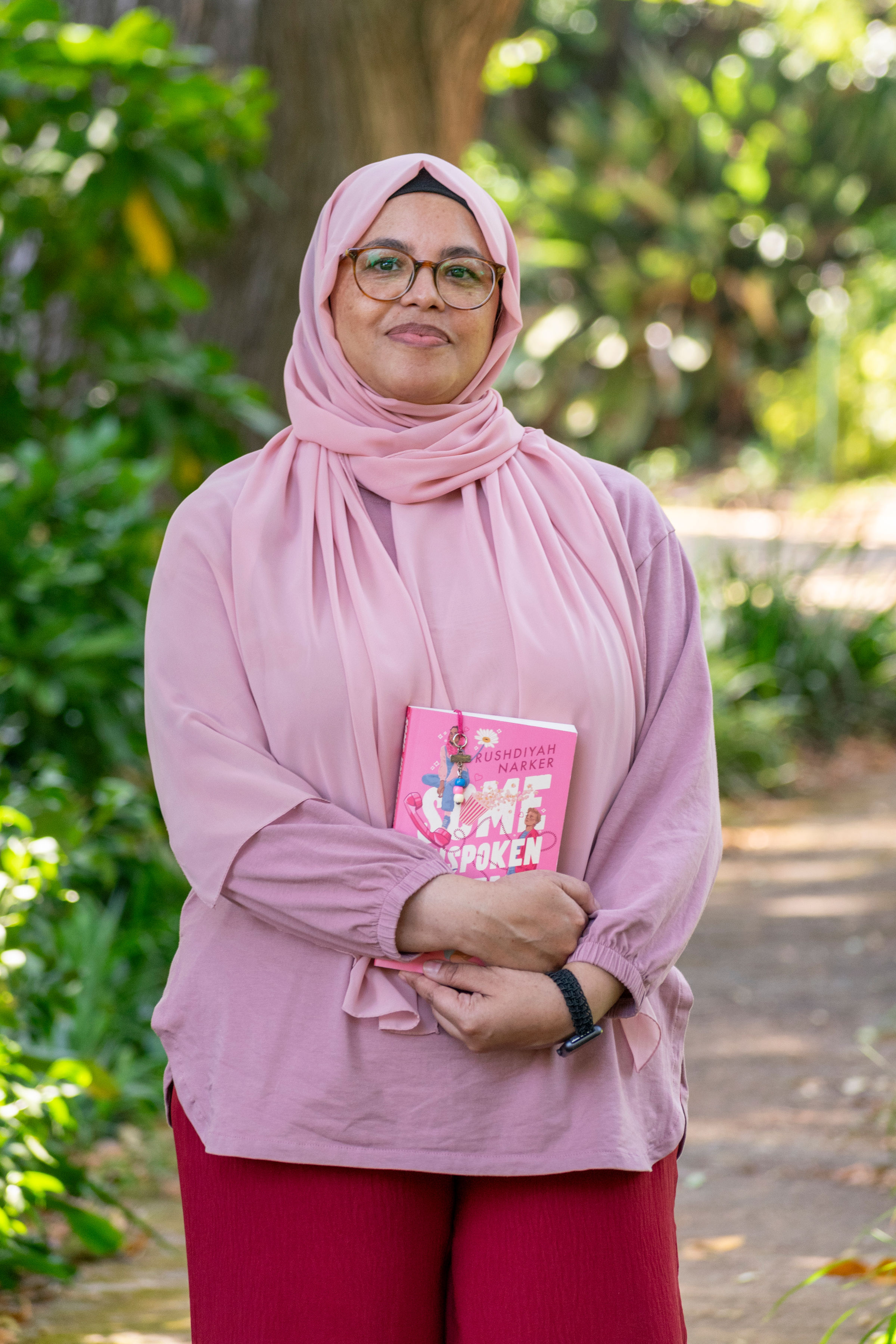
Rushdiyah Narker
Rushdiyah Narker has moved from making up stories in her head to writing them down. She uses the skills she learnt while getting her Masters in Social Anthropology to write stories about the culture she grew up in. 'Some Unspoken Thing' is her debut young adult novel enjoyed by kids 13 to 60 years of age. For funsies, she reads a book a day and loves to go to the theatre, galleries, and movies to experience different forms of storytelling.
View all work by Rushdiyah Narker